
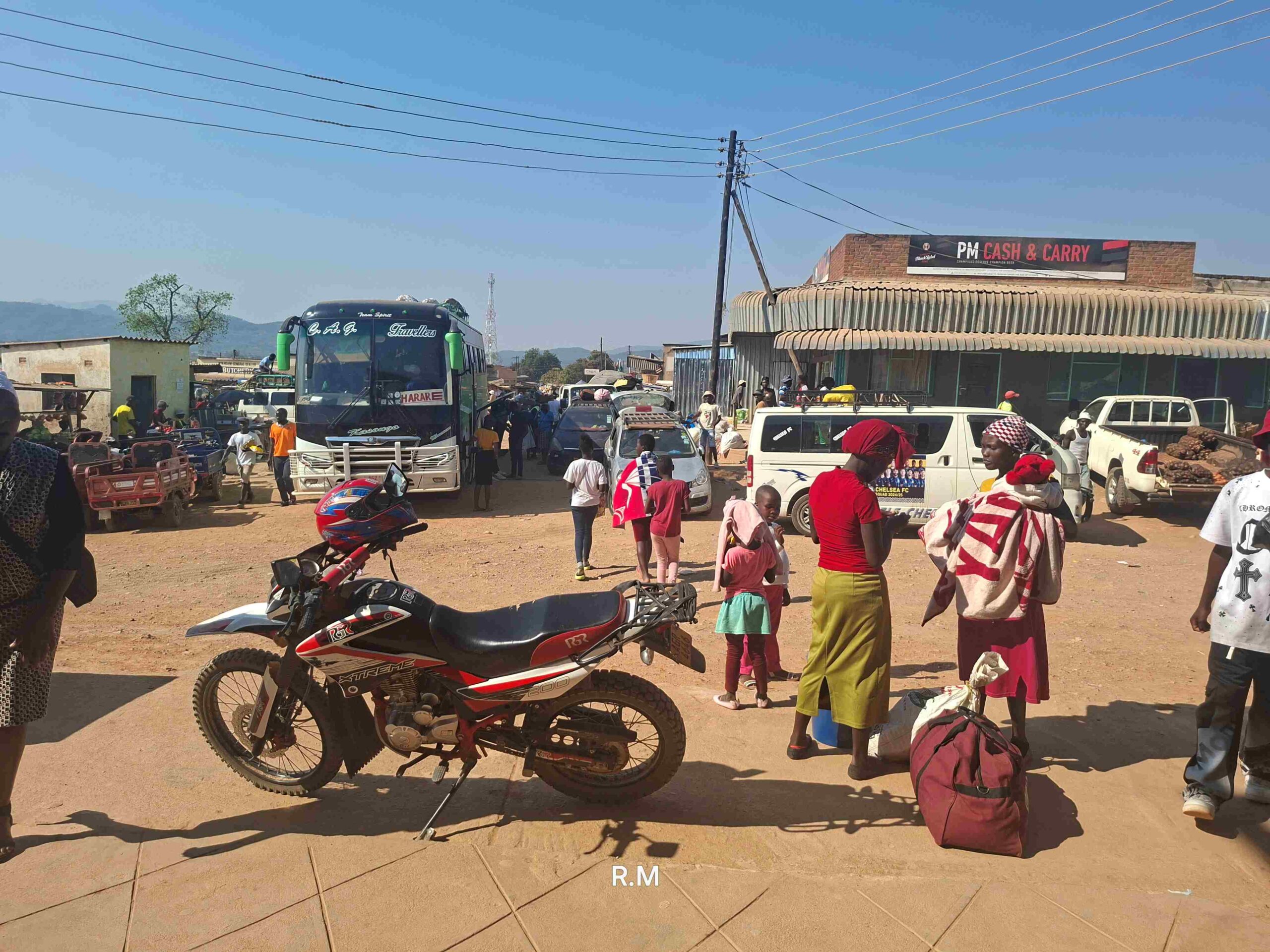

Hauna is the main town for Honde Valley and serves as the commercial, administrative, and service hub for the valley, with a population of about 8,000 people. The name Hauna originates from Shona, meaning "there was no one", reflecting its early status as unoccupied land. In 1948, people relocated from Tsonzo and established villages like Nyatsanza, Chigweshe, Danhama, and Samushonga on this sparsely inhabited terrain.
Hauna is 55 km north of Mutare and declared a growth point in 1984 and earmarked for rural development and urbanization. The town has evolved into a vibrant service centre, attracting businesses, government offices, and modern housing developments. New suburban housing projects are expanding the town’s footprint, offering improved living standards and supporting population growth.


Key Infrastructure & Facilities
Hauna boasts a range of critical facilities that make it the valley’s administrative and commercial centre:
- Hauna District Hospital - providing healthcare services to the valley’s communities.
- Ruda Police Station - law enforcement and public safety.
- Hauna Post Office - connecting residents and businesses through postal and communication services.
- Aerodrome for Light Aircraft – air connectivity for business, tourism, and emergency services.
- Modern Retail and Service Outlets – grocery stores, hardware shops, and agro-input suppliers.
- Educational Facilities – 2 primary schools (Nyatsanza and St Columbas) and 1 secondary school (St Columbas High School)
The town also hosts government offices, banking facilities, and educational institutions, making it a one-stop destination for essential services. Hauna serves as the primary trading centre for Honde Valley’s agricultural produce. Farmers bring bananas, avocados, tea, and coffee to Hauna for aggregation and transport to major markets such as Mbare in Harare. The town’s location along key road networks ensures smooth movement of goods and people, while its aerodrome adds a unique advantage for high-value trade and tourism. With ongoing urbanization projects, improved infrastructure, and its role as a gateway to the Eastern Highlands, Hauna is positioned for growth in commerce, tourism, and agro processing. The presence of the Hauna Fruit and Vegetable Processing Plant nearby further strengthens its economic importance, reducing post-harvest losses and creating jobs.

Hauna Fruit & Vegetable Processing Plant
This processing plant which was completed in 2025, is a cornerstone of the government’s rural industrialisation strategy, part of Zimbabwe’s Vision 2030 and National Development Strategy 1. The plant can process up to four tonnes of bananas per day, approximately 400 kg per hour, converting raw produce into high‑value products such as banana chips, flour, and cooking oil. Additional technologies enable the facility to freeze, can, and dry bananas and other fruits, extending shelf life and reducing post‑harvest losses.
The plant directly supports at least 600 farmers, with indirect benefits reaching over 2,000 smallholders, especially women and youth from Mutasa, Nyanga, and surrounding areas. The facility brings markets closer to producers and boosts economic resilience in Honde Valley. The plant improves farmer incomes by eliminating exploitative middlemen, reducing waste, and stabilising banana prices. It enhances food security and sustainable livelihoods, enabling rural families to retain value locally. It creates new employment opportunities in contract farming, packaging, supply chain logistics, and plant operations.
Officials highlight the project’s role in curbing rural–urban migration, empowering women, and supporting the national agenda of uplifting rural communities. Hauna is the access point to natural attractions in the valley, Mutarazi Falls, Mahwemasimike Mountains, Pungwe River, and Tea Estates.
