
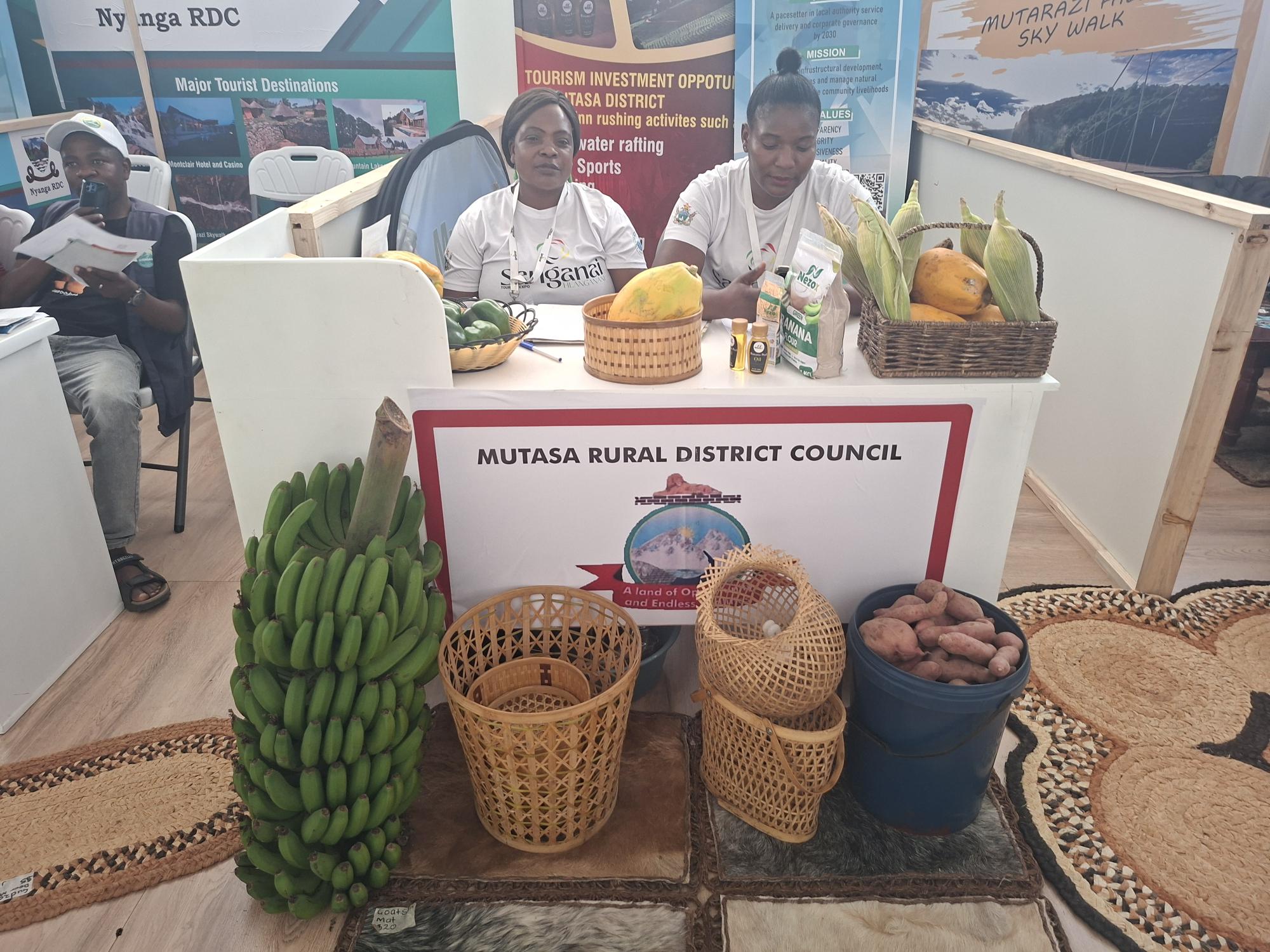

Mutasa Rural District Council (MRDC)
MRDC serves as the governing authority for rural Mutasa District, which includes the vibrant Honde Valley. As the local government body, MRDC oversees land management, infrastructure development, public services, and community welfare. Its mandate extends to shaping the region’s growth through agriculture, tourism, and environmental management, ensuring sustainable development for present and future generations. MRDC operates from the Mutasa District Service Centre, located approximately 58 km north of Mutare, making it accessible to residents and investors alike. The council maintains an active online presence, providing investment opportunities, development plans, and contact information to encourage partnerships in sectors such as agro-processing, hospitality, and renewable energy. Through these initiatives, MRDC plays a pivotal role in attracting capital and fostering economic resilience in Honde Valley.
Traditional Leadership & Cultural Heritage
Complementing formal governance is a strong traditional leadership structure. Three chiefs preside over Honde Valley:
- Chief Mutasa, responsible for the western side near Nyanga
- Chief Saunyama, overseeing the central valley
- Chief Zindi, governing the eastern region
These chiefs are more than symbolic figures, they are custodians of land rights, cultural preservation, and community affairs. Their roles include:
- Land Allocation and Dispute Resolution: Chiefs manage communal land, allocate plots for farming, and resolve disputes, ensuring harmony and fairness.
- Cultural Preservation: They safeguard traditions, language, and rituals, maintaining the valley’s rich heritage amid modernization.
- Community Mobilization: Chiefs lead local ceremonies, seasonal festivals, and development meetings, fostering unity and participation.
- Intermediaries with Government: They act as bridges between rural communities and state institutions, facilitating programs in health, education, and agricul
- Environmental Stewardship: Chiefs promote sustainable land use and conservation practices, vital for protecting Honde Valley’s biodiversity.
Their influence ensures that development respects local customs, creating a balanced approach to progress that blends modern governance with traditional values. These chiefs act as intermediaries between rural communities and government agencies. Their influence is critical in development programs, dispute resolution, and maintaining social harmony. Traditional leadership ensures that modernization respects local customs and values, creating a balanced approach to progress.

Driving Development & Opportunities
Together, MRDC and traditional leaders champion projects that improve roads, schools, clinics, and water systems, while supporting smallholder farmers who dominate banana, tea, and coffee production. They also promote eco-tourism, leveraging the valley’s natural beauty and cultural heritage to attract visitors and investors. MRDC’s investment portfolio highlights ventures in fruit processing, hospitality lodges, and renewable energy, aligning with Zimbabwe’s vision for rural transformation. With its fertile soils, scenic landscapes, and growing tourism sector, Honde Valley offers unique opportunities for investment and leisure. Visitors can experience the valley’s natural beauty, cultural heritage, and thriving agricultural economy, supported by governance structures that prioritize sustainability and inclusivity.