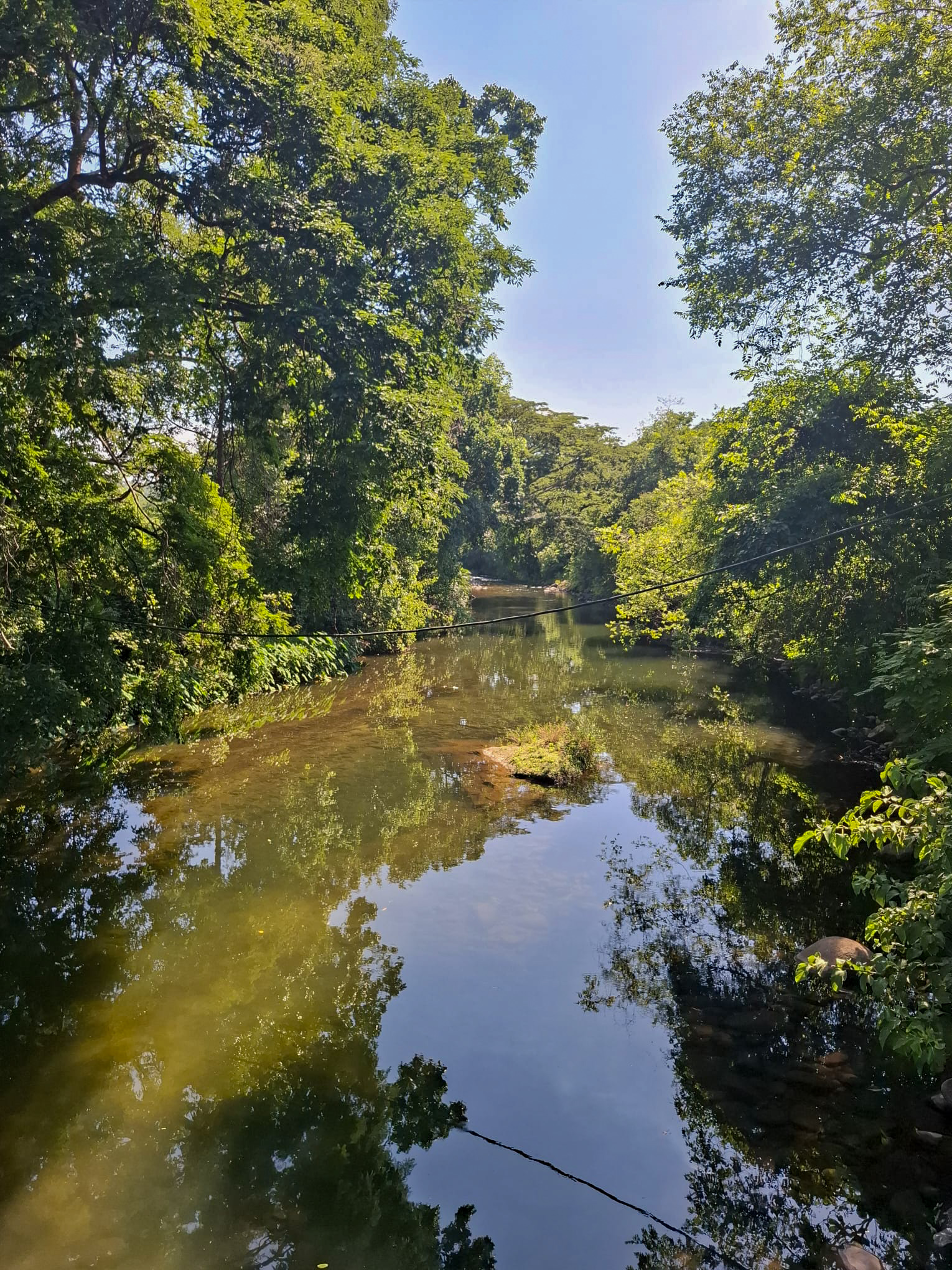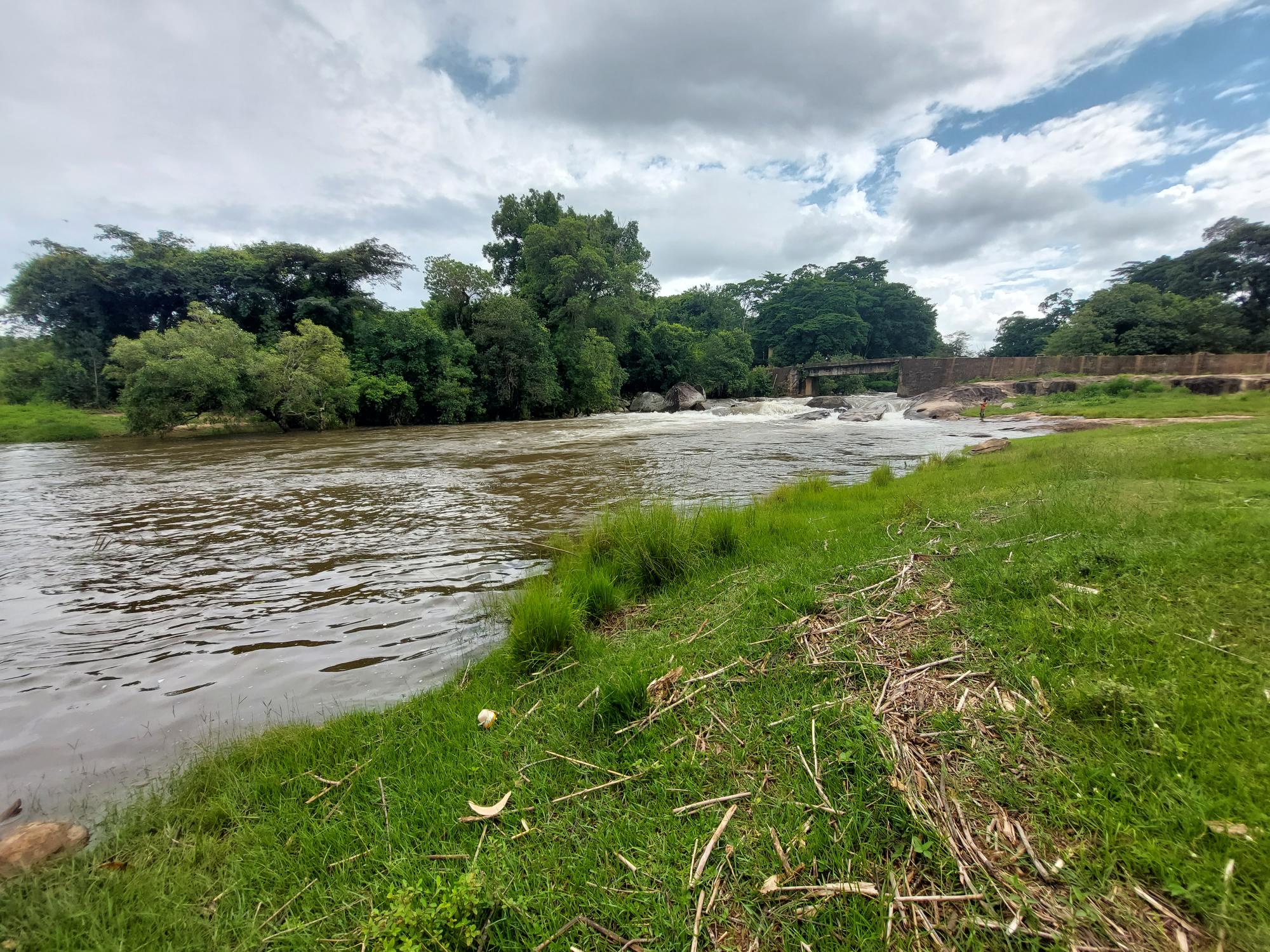

The Pungwe River is the beating heart of Honde Valley, shaping its landscapes, sustaining its communities, and powering its economy. Originating from the slopes of Mount Nyangani, Zimbabwe's highest peak, the river meanders through the lush Eastern Highlands before crossing into Mozambique and eventually emptying into the Indian Ocean at Beira. This journey makes the Pungwe a vital waterway for Zimbabwe, and also an international river of ecological and economic significance.
Agricultural Backbone
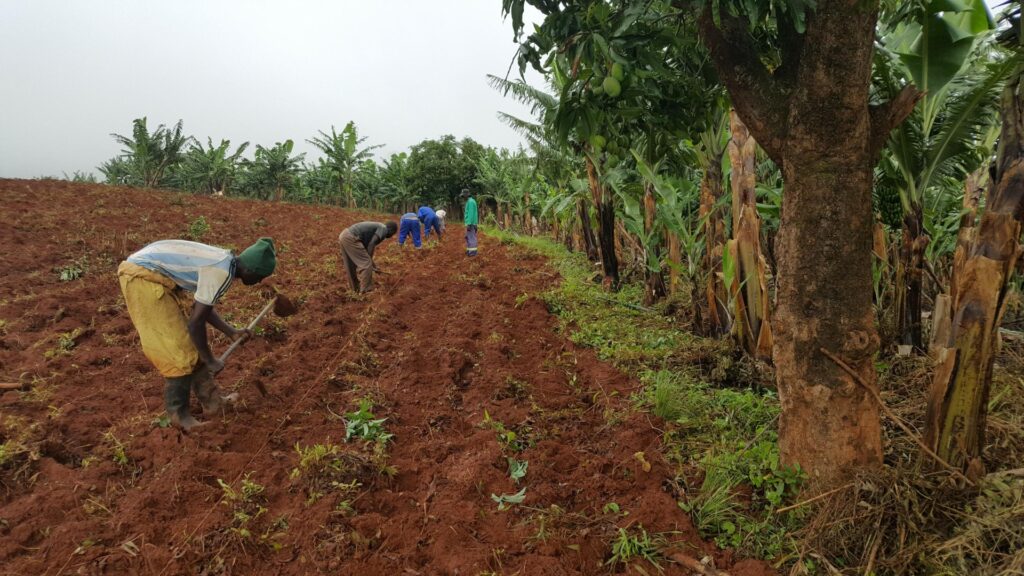
Honde Valley is renowned for its fertile soils, thriving plantations, and the Pungwe River is central to this success. Its waters irrigate vast expanses of banana, tea, and coffee farms, ensuring year round productivity. Small scale irrigation schemes along its banks empower local farmers, while larger estates depend on its steady flow to maintain Zimbabwe's reputation for premium tea and coffee. The river's contribution to agriculture underpins food security and livelihoods for thousands of families in the valley.
Renewable Energy Hub
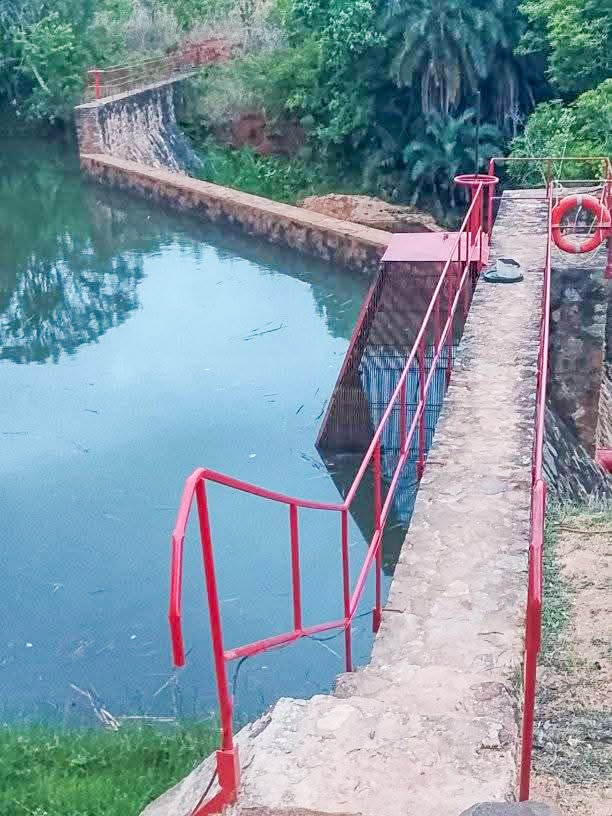
Honde Valley has emerged as a leader in renewable energy, thanks to the Pungwe River's hydroelectric potential. The valley hosts a cluster of mini-hydro stations that feed clean electricity into Zimbabwe's national grid.
The 3 flagship projects iclude;
- Pungwe A - the first hydro project in the valley commissioned in the early 2000's by Nyangani Renewable Energy. Located on Nyamombe River, it generates 2.7MW of power.
- Pungwe B - The largest and built directly on the Pungwe River, producing 15MW of renewable energy since 2015.
- Pungwe C - A run off river scheme commissioned after Pungwe B, with a capacity of 2.75MW of power.
Together, these projects showcase how Honde Valley blends natural beauty with innovation, positioning itself as a model for green energy and eco-tourism in Southern Africa.
Eco-Tourism
The Pungwe River is more than a resource, it is a destination. Winding through mountains, forests and plains, it creates breathtaking scenery that attracts eco-tourists from across the globe. It's basin supports diverse flora and fauna, making it a hotspot for birdwatching, photography and nature walks. Adventurers can enjoy fishing, swimming and whitewater rafting in certain sections. The river's pristine environment and dramatic landscapes make it a highlight of the Eastern Highlands tourism circuit.
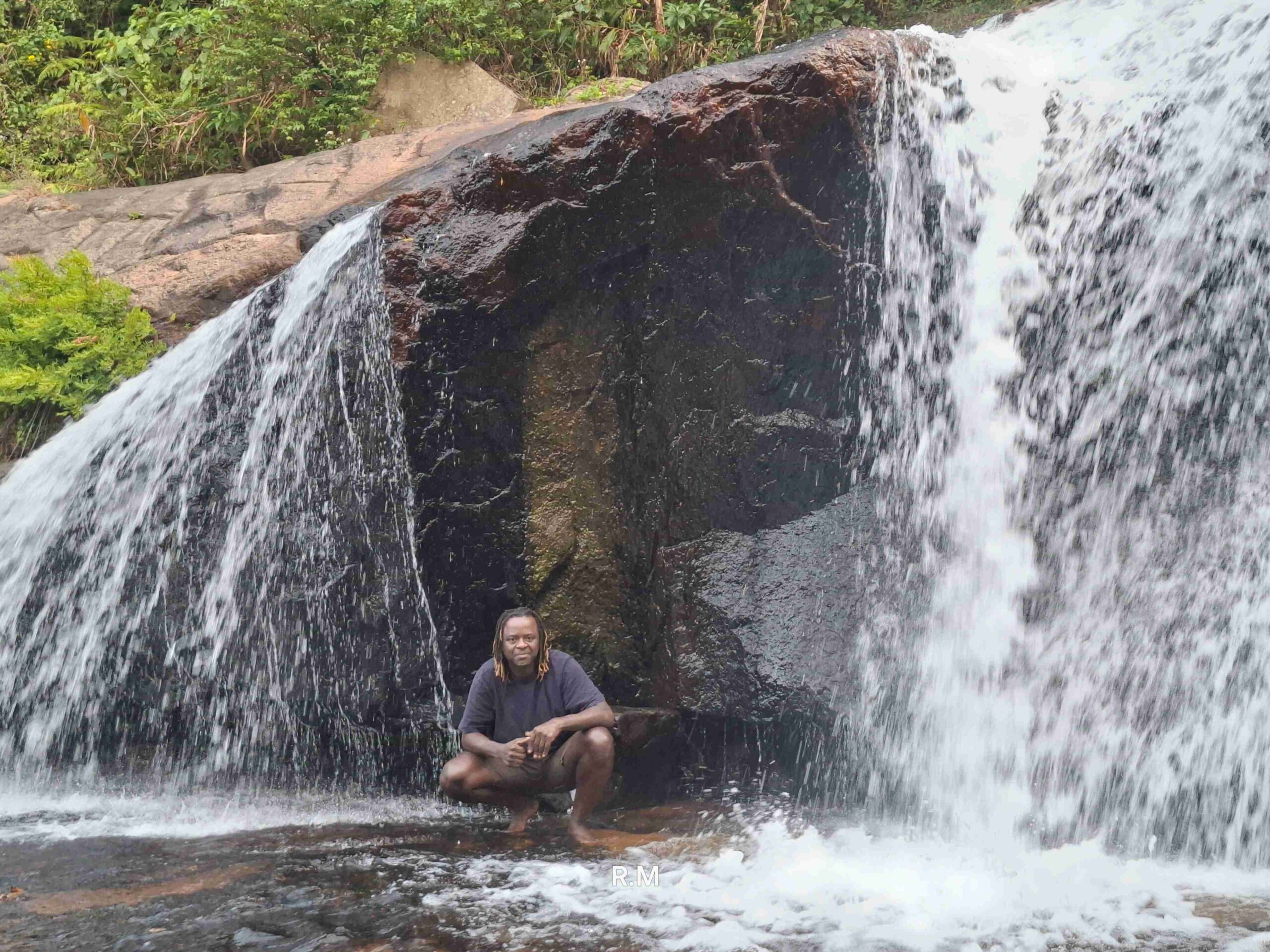
Adventure on the Pungwe River
The Pungwe River offers one of the most thrilling water-based experiences in Zimbabwe's Eastern Highlands. Flowing through the heart of Honde Valley, this mountain fed river is renowned for its crystal clear, cold waters and dramatic terrain. It's course cuts through deep gorges, rocky cliffs and forested valleys, creating an unforgettable backdrop for adventure seekers.
The Pungwe's wild, rapid filled sections and narrow, fast flowing channels make it ideal for whitewater rafting. From beginners looking for a guided experience to seasoned rafters seeking a challenge, the river delivers excitement at every turn. Between the rapids, calm pools offer moments of serenity and opportunities for recreational paddling. Unlike the Victoria Falls rafting scene, Honde Valley provides a quieter, more intimate adventure, perfect for those who crave untouched wilderness and a sense of solitude. Rafting down the Pungwe is not just for the thrill, but also about the scenery. As you navigate the river, you will be surrounded by lush forests, towering escarpments, and remote landscapes, a world away from urban life. The combination of adrenaline and natural beauty makes this experience totally unique.
One of the fastest growing water sports in Honde Valley is river bugging, a high adrenaline activity that uses a small, one person inflatable craft shaped like a thick tube. It involves riding the rapids, waves and fast flowing channels in a way that is thrilling and safe. It is perfect for those that want something different from the traditional rafting, but still craving excitement and close contact with nature.